Exhibiting at an international trade fair for the first time is a significant step for any company. The decisions made in the months beforehand largely determine the result. This guide walks you through the seven key steps so you arrive prepared and can make the most of every opportunity.
Step 1: choose the right fair
Not every fair is right for every company. Before registering, research the visitor and exhibitor profile, check if your real potential clients attend, assess the cost-benefit ratio and compare it with alternative fairs in the same sector. A smaller, more focused fair can generate more value than a large generic event.
Step 2: registration deadlines and space allocation
International fairs open registration 12 to 18 months in advance. The best locations — corner spaces, main entrances, areas with high traffic — are allocated early. Registering early gives you more options, better locations and, in some cases, lower prices.
Step 3: stand design and construction
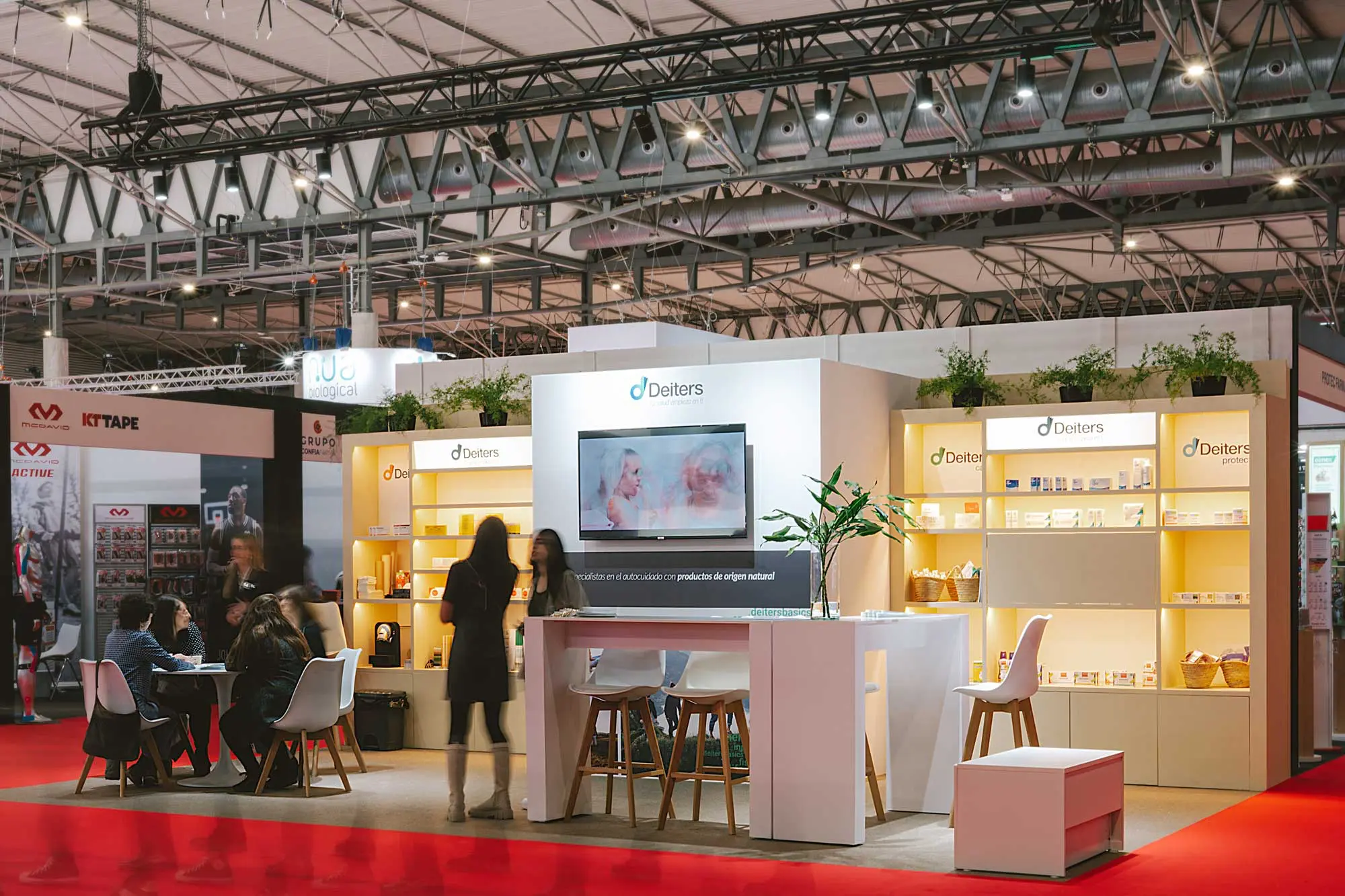
Allow at least six months to brief, design, approve and build your stand. This process includes concept creation, 3D renders, final approval, material procurement and construction. In some markets, fairs require designs to be submitted to the organiser for approval before construction begins.
Define from the outset whether you want a custom stand, a modular system or a combination of both. Each option has different implications for cost, flexibility and brand impact.
Step 4: logistics and shipping
Products, graphic materials, promotional items, samples and furniture all need to arrive at the fair safely, on time and compliant with customs regulations if you are exhibiting outside your country. Work with a logistics provider experienced in trade fair transport and plan each shipment with enough margin.
Step 5: team selection and briefing
Define which members of your team will attend the fair and prepare them well in advance. An effective briefing includes: company and product messages, qualification of visitor profiles, sales conversation script, lead capture process and post-fair follow-up plan.
Step 6: define objectives and KPIs
What do you want to achieve? Qualified contacts, product demonstrations, brand visibility, meetings with distributors, press coverage? Setting concrete and measurable objectives before the fair allows you to assess whether your participation has been profitable and adjust your strategy for the next edition.
Step 7: pre-fair communication and post-fair follow-up
Communicate your presence at the fair well in advance via your channels: email marketing, social media, press releases, direct invitations to clients and prospects. And right after the fair, activate follow-up: a personalised email within 48 hours, a call to the most qualified contacts, and an update of your CRM with all the information gathered.
Ready for your next trade fair?
Contact Stand-Out and we'll prepare a personalised proposal with no obligation.
Request information